Bear aware, year round
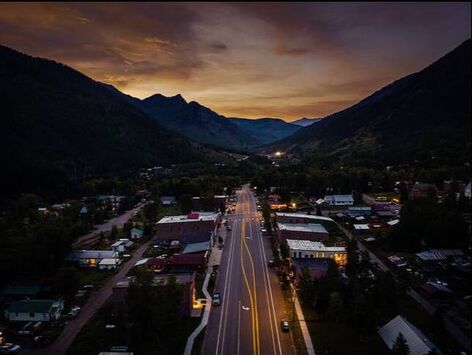
In a town of fewer than 300 people surrounded by public land, our trash is the main thing teaching bears to come into the neighborhood. What we do with our garbage and our food scraps decides how this story goes.
Bear Aware discussion in Rico: The lowdown
About 20 community members joined Colorado Parks and Wildlife at the Community Center for an informative discussion about the unprecedented bear season. Check out the full play by play notes below as well as resources.
A bear that finds food in town keeps coming back
Rico sits in the middle of black bear country in the western San Juans. Bears move through our valley every year looking for calories, and an unsecured bin is the easiest meal in the drainage. Once a bear learns that lesson, it stops being shy, it starts working porches and garages, and the outcome is almost never good for the bear.
Fed bears lose
A bear that gets comfortable in town is the one that ends up relocated or destroyed. Keeping our trash boring is the most direct thing we can do to keep bears wild and alive.
One bin, whole block
Bears do not stop at property lines. A single open can teaches a bear to check every yard around it, so the effort only works when we do it together, all season long.
Living with wildlife
Being surrounded by wild country is part of why we live here. Sharing it well is a form of stewardship, the same reason we work on land access, energy, and waste in this town.
Best practices for trash in bear country
None of this is complicated. It is mostly about where the can lives between pickups, and how much food smell is in it.
Store it inside
If you are able, keep garbage in a garage, shed, or closed structure until the morning of pickup. A can sitting out overnight is an invitation.
Latch and lock
Double check the locking mechanism on your can to make sure it is working properly. If it isn't, call your waste provider and request a new can.
The consequences
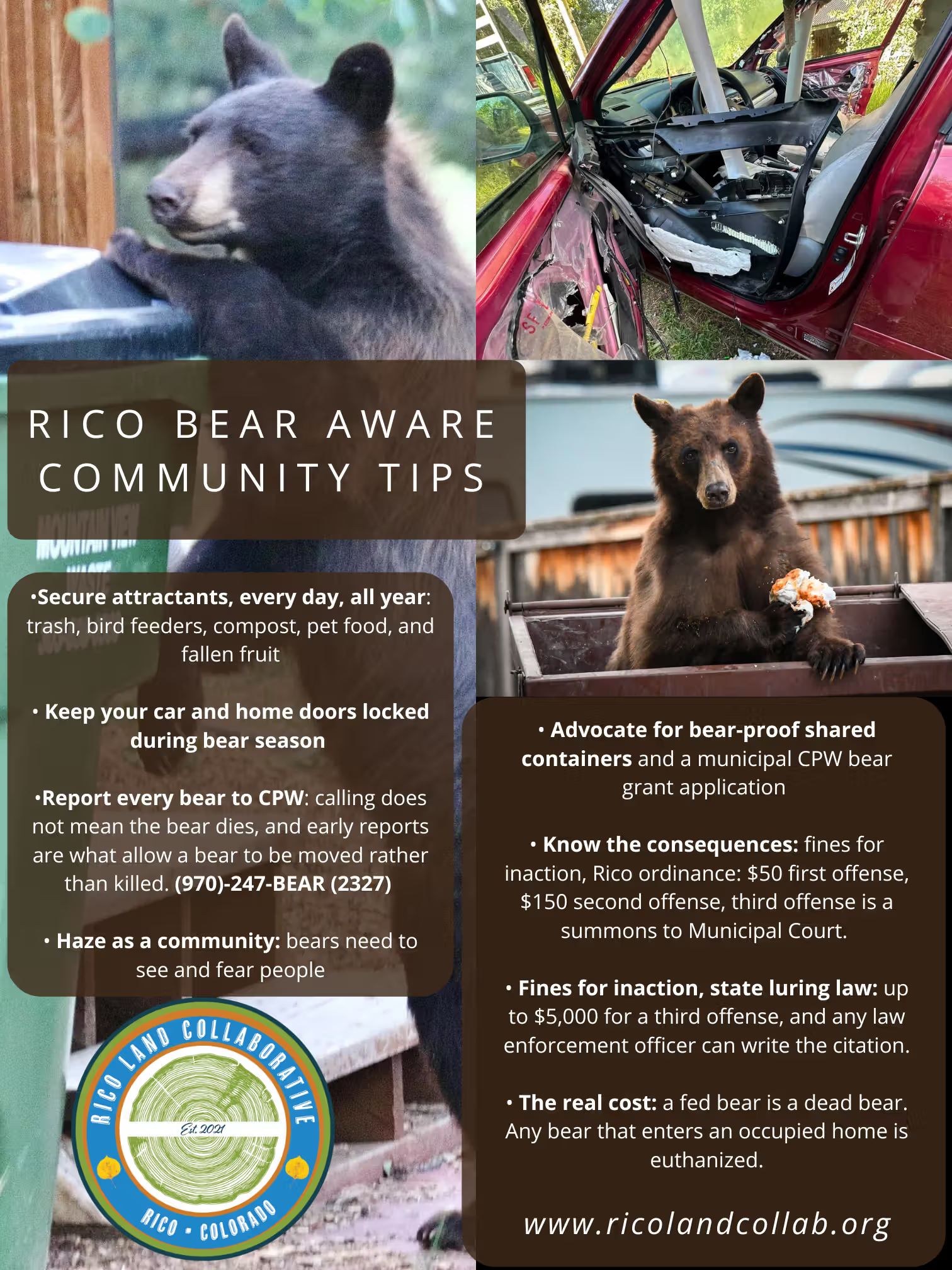
Local and state ordinances direct law enforcement to fine households that do not secure their trash. Check out the town of Rico's ordinance here, and a newly adopted state ordinance increasing fines to $5,000 here.
Cut the smell
Rinse cans and containers, freeze meat scraps until trash day, and wash out the bin now and then. Bears follow their noses. Take your food scraps out of your can.
Clear the other attractants
Pet food, bird feeders, dirty grills, coolers, and truck beds full of groceries all count. So do fruit and freezers on the porch.
Tell someone
If a bear is working your block, let your neighbors know so cans get secured, and report activity to Colorado Parks and Wildlife by calling the Durango Office at 970-247-0855 and pressing 2.
The single biggest lever most households have is what goes in the can in the first place.
Take the food out of the trash
Food scraps are the part of household waste that actually smells like dinner. Pull the organics out of your garbage can and what is left is packaging, which is far less interesting to a bear walking down the alley at midnight.
That is one of the reasons RLC has been working on organics through our Recycling Pilot Program. Starting in July 2027, MoCo Compost, based in Dolores, will be serving the Town of Rico with curbside compost service. Less food in the bin means fewer reasons for a bear to test it.
If you have financial constraints, drop us a line and we will work with you to cover costs.
Scraps go into a sealed compost bucket instead of the kitchen garbage bag.
The bucket lives indoors, locked shut, so the smell never reaches the alley.
Your trash can gets drier and duller, and stops rewarding curious bears.
Those organics come back as compost instead of riding 30 miles to a landfill.
MoCo Compost
MoCo Compost hands out sturdy 5 gallon buckets with a bear resistant gamma seal lid: a screw-down ring that twists shut and seals tight. Bears can't twist open the lid. It holds two weeks of scraps without leaking or perfuming your kitchen, and it stands up to a lot more curiosity than a grocery bag.
One rule, no exceptions: keep the bucket locked and stored indoors. A sealed bucket left on the porch or in the truck bed is still a bear puzzle worth solving, and bears are very good at puzzles.
A sealed bucket is a smell barrier, not a bear-proof safe. Indoors is what makes it work.
Learn more from the bear experts
Two organizations we lean on for practical, well tested guidance on living alongside black bears.
Bear Smart Durango
Local guidance on securing trash, bear resistant containers, and reducing conflicts in mountain towns like ours.
bearsmartdurango.org → NationalBearWise
Research based basics from state wildlife agencies: attractants, bear behavior, and what to do if a bear shows up.
bearwise.org →